|
Titel
-
MONU magazine on urbanism #14
Technische
Angaben
-
128 S., 27x20 cm, keine weiteren Angaben vorhanden
Broschur
ZusatzInfos
-
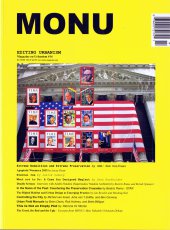
The Naked Lunch: A Stark Honest Discussion On Renewal by UNION3; On Politics of Planning by Henk Ovink; Beyond Editing by Simone Pizzagalli; Extreme Demolition and Extreme Preservation by OMA; Apoptotic Woomera 2035 by Lucas Dean; Eternal Ise by Jarrik Ouburg; Moveable Chair by Sara Hendren; What not to Do: A Case for Designed Neglect by Sean Burkholder; Deadly Serious - Interview with Adolfo Natalini by Beatriz Ramo and Bernd Upmeyer; In the Name of the Past by Beatriz Ramo - STAR strategies + architecture; Cultural Editors by Paul Meurs and Marinke Steenhuis; The Digital Habitat and Urban Design as Emerging Practice by Jan Bovelet and Miodrag Kuc; Between Material and Culture by Ephraim Joris; Controlling the City by Michiel van Iersel, Juha van 't Zelfde, and Ben Cerveny; Layered Reality by Gijs Hoofs and Michiel Daalmans; Urban Field Manuals by Brian Davis, Rob Holmes, and Brett Milligan; This Is Not an Empty Plot by Patrizia Di Monte; The Good, the Bad and the Ugly - Excerpts from MONU's Most Valuable Urbanism Debate.
Despite the current urgency to deal with the enormous potential of the already existing urban material as Urban Editors, there seems still to be an enormous lack of interest in topics such as urban and architectural restoration, preservation, renovation, redevelopment, renewal or adaptive reuse of old structures among architects and urban designers. But ignorance in this matter can only be dismissed as socially irresponsible and economically and culturally unacceptable. But what might be the reason for the prevailing ignorance? Who is to blame? Why is Urban Editing considered to be so utterly unattractive? Felix Madrazo, one of the members of the UNION3 collective, blames the media and in particular architecture publications, as he points out in UNION3's discussion of urban renewal entitled "The Naked Lunch: A Stark Honest Discussion on Renewal". He states that a prestigious architectural magazine such as the Spanish El Croquis would never publish an architect who has been practicing renewal for the last twenty years. In OMA's contribution "Extreme Demolition and Extreme Preservation" Rem Koolhaas holds the arrogance of the modernists responsible for making the preservationist of today look like a futile and irrelevant figure. He furthermore claims that preservation necessitates the development of a theory of its opposite: not what to keep, but what to give up, what to erase and what to abandon - and proposes a system of phased demolition. To a certain extent this is what Lucas Dean recommends in his piece "Apoptotic Woomera 2035" for a small town in South Australia, in which he suggests a programmed urban death that ensures that the urban fabric can constantly undergo a process of rejuvenation. The concept is an analogy to the biochemical process of apoptosis, which is organized cell death that our bodies undergo on a daily basis, killing fifty to seventy million cells, enabling the body to rejuvenate and ensure longevity. Obviously terms such as death and rejuvenation are crucial notions when it comes to Editing Urbanism. In his article "Eternal Ise" Jarrik Ouburg sees destruction as a natural part of preservation. He advises to look east and learn from the way how in Japan important shrines have been rebuild every twenty years for more than ten centuries. But accepting death and decay in buildings is one thing, when it comes to our own death, things get much more complicated. For that reason Adolfo Natalini, one of the founders of the legendary 60ies architecture firm Superstudio, does not like physical changes in cities, because they remind us that we are moving closer and closer towards death, as he explains in an interview with us entitled "Deadly Serious". He likes to be surrounded by things that remain the same as they give us the impression of eternity and he sees architecture as the most powerful medium of this form of hope. To solve the paradoxical situation that cities should on the one hand remain the same, keeping and maintaining all their existing buildings, yet on the other able to change, Beatriz Ramo / STAR suggests in "In the Name of the Past: Countering the Preservation Crusades" to establish Virtual World Heritage Sites as a new category for UNESCO. Virtual preservation enables cities to survive for eternity in the virtual, yet remain living and changing organisms in the real world. Released from the fear of death, Editing Urbanism can become a vital, active and experimental practice, in which the concept of sample and the remix gain importance as a cultural technique as Jan Bovelet and Miodrag Kuc describe in their contribution "The Digital Habitat and Urban Design as Emerging Practice". Just as remixes of songs are alternative versions of recorded songs, made from original versions, remixes of cities can be alternative versions of the original cities. Especially with the help of hand-held devices, mobile and digital online applications, citizens will be able to alternate and control cities as Michiel van Iersel, Juha van't Zelfde, and Ben Cerveny explain in their article "Controlling the City". To edit cities successfully, Brian Davis, Rob Holmes, and Brett Milligan even propose to develop "Urban Field Manuals", which show how to change or maintain your city just as automotive maintenance manuals teach you how to repair or maintain your car. Such Urban Field Manuals allow you for example to learn how, as a non-profit landlord, to approach buildings that are awaiting demolition permissions for a new construction on old properties, and to format micro-contracts that make unoccupied buildings available to other non-profits at the costs of utilities alone. But one of the most successful strategies for such reuse of unoccupied spaces in cities has probably been developed by Patrizia Di Monte recently. In her contribution "This Is Not an Empty Plot", she shows how she created an employment plan, in which sixty one long-term unemployed workers cleaned initially empty plots of the historic district of Zaragoza, which led eventually to the realization of twenty-eight projects on those lots over the last two years.
Text von der Webseite
|
Titel
-
TAM TAM - 20 Jahre THD - Campus Open Air
Technische
Angaben
-
24 S., 15x10,8 cm, Auflage: 1.000, 2 Stück. ISBN/ISSN 9783928804264
Drahtheftung. Programmheft zur Veranstaltung
ZusatzInfos
-
Design Caroline von Eichhorn, Illustrationen Marc Allignano.
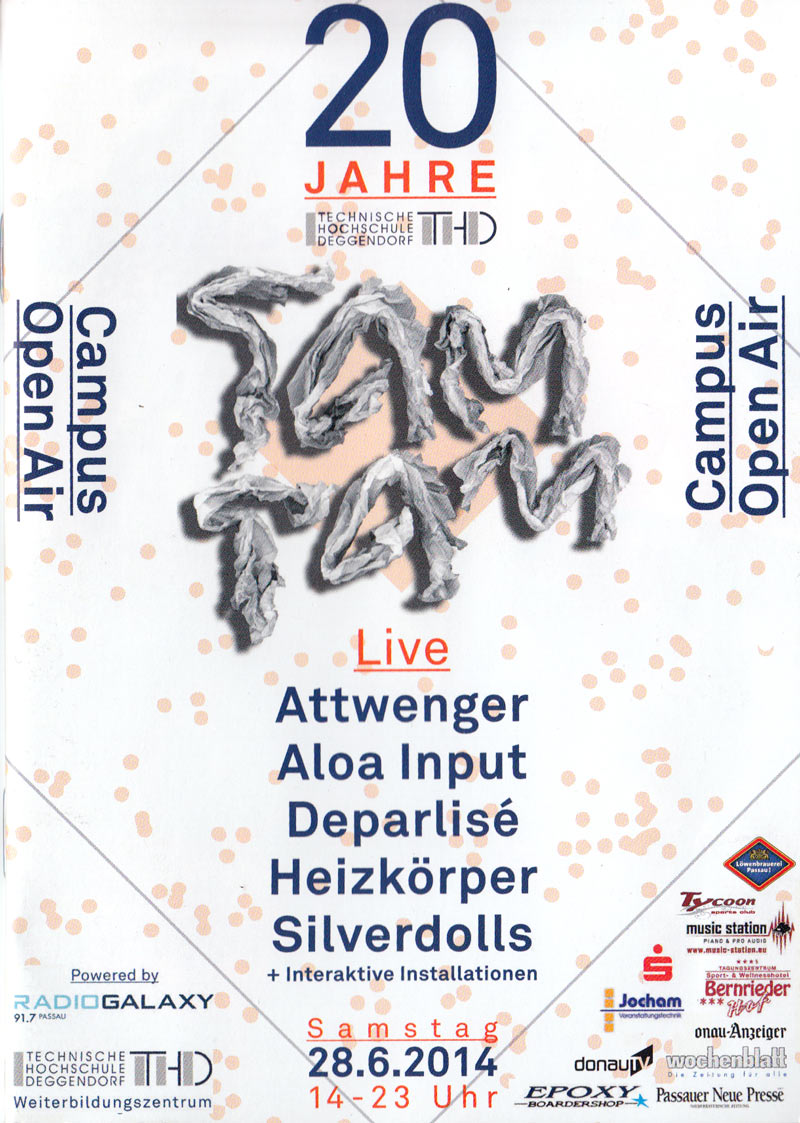
Zum 20 jährigen Jubiläum der Technische Hochschule Deggendorf.
LIVE: Attwenger [Trikont, München], Aloa Input [Morr Music, Berlin], Deparlisé [In Bloom, Blackflowerstreet, München], Silver Dolls [Azetti, Deggenau], Der Heizkörper.
INSTALLATIONEN u. a. von: Interaktive und multimediale Installationen der Studierenden und TAM TAM, Videoprojektionen von Karambolage, Siebdruck mit Illustrationen von Fellherz, Interaktive Torwand von Not Yet, QR-Code-Ausstellung, Interaktive Videoinstallationen der Masterstudenten aus dem Medienkunstseminar von Herrn Winterfeldt, Ernst Jürgens und Günter Reinhardt von der TH Deggendorf und OTH Amberg + Elektronisches Bezahlsystem „Sminks“
|
Titel
-
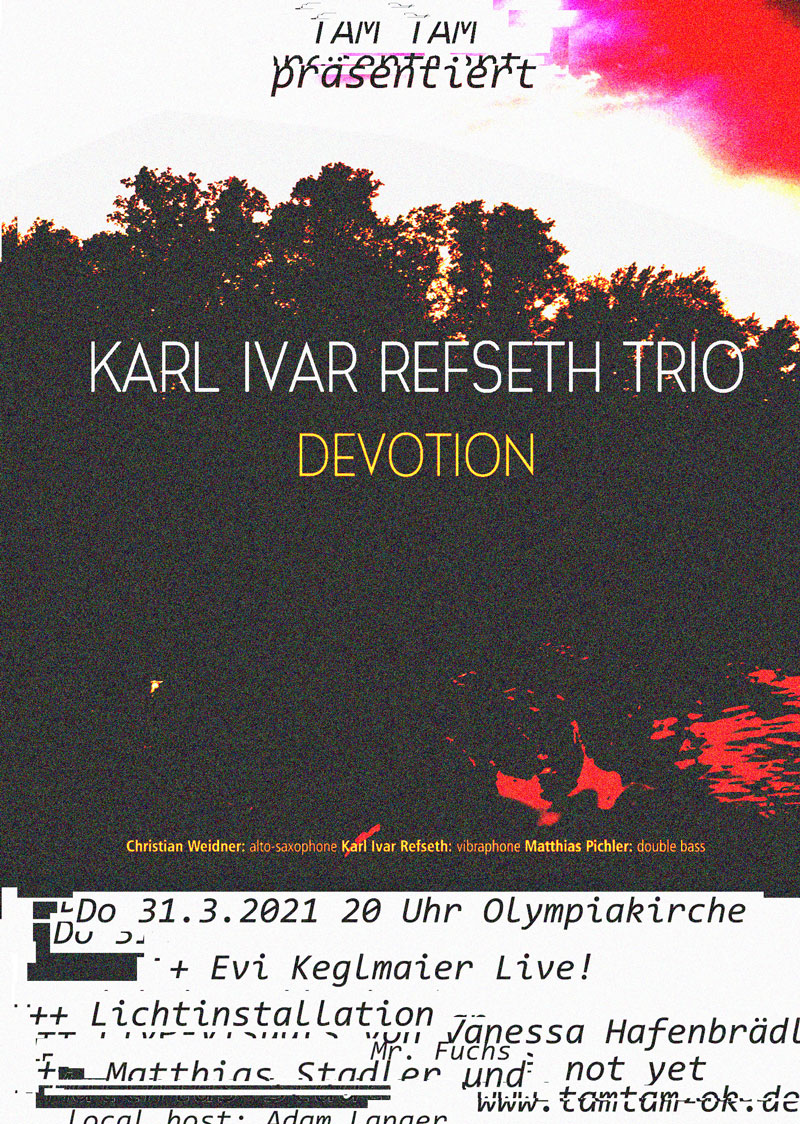
Karl Ivar Refseth Trio - Devotion
Technische
Angaben
-
1 S., 29,7x42 cm, keine weiteren Angaben vorhanden
farbiger Inkjetausdruck
ZusatzInfos
-
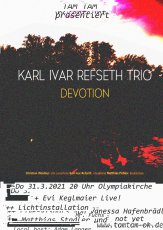
TAM TAM präsentiert Karl Ivar Refseth Trio - Devotion am 31.03.2022 in der Olympiakirche + Evi Keglmaier Live + Lichtinstallation mit und von Janessa Hafenbrädl, Mr. Fuchs und not yet. Local host Adam Langer
|
Titel
-
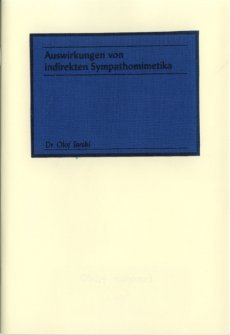
Auswirkungen von indirekten Sympathomimetika
Technische
Angaben
-
24 S., 19x13 cm, Auflage: 60, numeriert, keine weiteren Angaben vorhanden
Risographie und Siebdruck, aufgeklebter bedruckter Stoff auf dem Cover
ZusatzInfos
-
Dr. Olof Tarski, not yet widely known to the public, illustrated the effects of sympathomimetic drugs in his first booklet for Taube. For this cause, he uses slightly manipulated imagery and hidden short poems (in german) for which the reader needs to rub on the pages in order to read them.
Just like sex, indirect sympathomimetics almost cause the same symptoms. A frightening but yet fascinating fact in these days is that every physical symptom may also be produced artificially. The intention behind this work is to show how much drugs and medications are in a position to control our physical sensation.
|
Titel
-
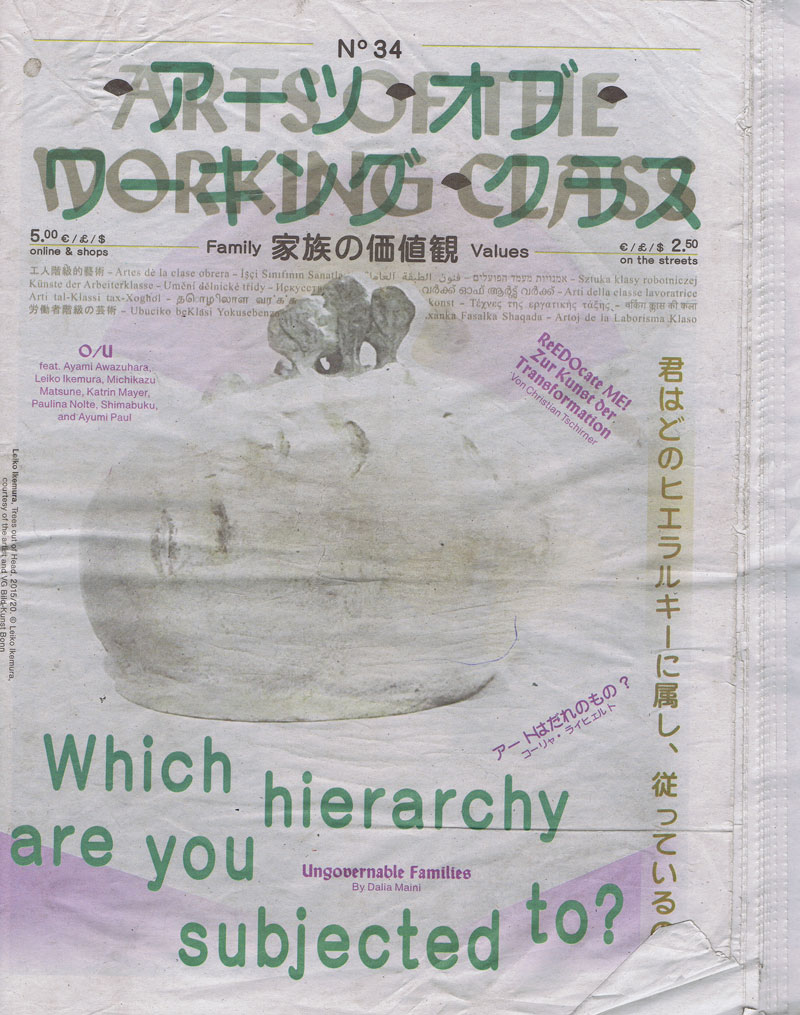
Arts of the Working Class No. 34 - Family Values
Technische
Angaben
-
56 S., 35,2x25,8 cm, keine weiteren Angaben vorhanden
Lose ineinander gelegte Blätter, Druck auf Zeitungspapier, Einlage einer Doppelseite in der Mitte der Zeitung: Berlin Global, The Berlin Exhibition at the Humboldt Forum
ZusatzInfos
-
„Arts of the Working Class“ ist eine Straßenzeitung für Armut, Reichtum und Kunst. Sie erscheint alle zwei Monate und enthält Beiträge von Künstlern und Denkern aus verschiedenen Feldern und in verschiedenen Sprachen. Sie richtet sich an die Arbeiterklasse, also an alle, und es geht um alles, das allen gehört. Jeder, der sie verkauft, verdient mit. Jeder Künstler, dessen Arbeit beworben wird, gestaltet mit.
Is our family like a tree, firmly rooted, or like a fan, unfolding in many directions? The notion of family has long been framed as a stable, secure entity. Yet today, family values are shaped by forces that generate profound insecurity— economic, ecological, and social. Drawing from Astra Taylor's insights in The Age of Insecurity, this issue exam- ines how systems designed to create security, like money and property, paradoxically deepen our anxiety and uncertainty.
As we approach the end of a year marked by wars and destabilization, we rethink the family nucleus as more than just a biological or historical unit. We explore it through artists like Ayumi Paul, Danh Vo, and Leiko Ikemura, who offer alternative visions of interconnectedness. Taylor’s argument that capitalism is an “insecurity-producing machine” applies here, as the traditional family model is manipulated by power structures to uphold inequality, creating both division and a false sense of safety.
Inspired by Japanese graphics from the Edo period (1603–1868), safeguarded at the Langen Foundation— celebrating its 20th anniversary as a family-run art collection—we explore how contemporary artists reinterpret the era’s sustainable practices of togetherness, where human and ecological bonds coexisted in both peace and crisis. Through artists like Michikazu Matsune and Ayami Awazuhara, we see how family ties, like other social structures, are fluid and shaped by their surroundings. Yet, as Taylor notes, insecurity invites solidarity. Even the privileged are not immune to financial or environmental precarity, as Joshua Citarella and Catherine Liu discussed in their conversation on the rise of the new managerial class.
As curator Sohrab Mohebbi reminds us, “Art is where we practice freedom,” and that freedom opens new possibilities for collective strength. In this light, artists like Paulina Nolte, Malte Bartsch, and Katrin Mayer explore how expanding our concept of families—and by extension, cities and societies—can offer a path toward resilience. We hope you enjoy this edition, carefully curated to introduce Arts of the Working Class in Japan first as an e-paper and now in print on the streets of Berlin and elsewhere.
Ist unsere Familie wie ein Baum, fest verwurzelt, oder wie ein Fächer, der sich in viele Richtungen entfaltet? Der Begriff der Familie wurde lange Zeit als stabile, sichere Einheit verstanden. Doch heute sind die Werte der Familie von Kräften geprägt, die zu tiefgreifender Unsicherheit führen - wirtschaftlich, ökologisch und sozial. Auf der Grundlage von Astra Taylors Erkenntnissen in The Age of Insecurity (Das Zeitalter der Unsicherheit) wird in dieser Ausgabe untersucht, wie Systeme, die Sicherheit schaffen sollen, wie Geld und Eigentum, paradoxerweise unsere Angst und Unsicherheit vertiefen.
Da wir uns dem Ende eines von Kriegen und Destabilisierung geprägten Jahres nähern, überdenken wir die Kernfamilie als mehr als nur eine biologische oder historische Einheit. Wir erforschen sie mit Hilfe von Künstlern wie Ayumi Paul, Danh Vo und Leiko Ikemura, die alternative Visionen der Zusammengehörigkeit anbieten. Taylors Argument, dass der Kapitalismus eine „Unsicherheit produzierende Maschine“ ist, trifft hier zu, da das traditionelle Familienmodell von den Machtstrukturen manipuliert wird, um Ungleichheit aufrechtzuerhalten und sowohl Spaltung als auch ein falsches Gefühl von Sicherheit zu schaffen.
Inspiriert von japanischen Grafiken aus der Edo-Periode (1603-1868), die in der Langen Foundation - die ihr 20-jähriges Bestehen als familiengeführte Kunstsammlung feiert - aufbewahrt werden, erforschen wir, wie zeitgenössische Künstler die nachhaltigen Praktiken des Miteinanders dieser Epoche, in der menschliche und ökologische Bindungen sowohl in Frieden als auch in Krisen koexistierten, neu interpretieren. Anhand von Künstlern wie Michikazu Matsune und Ayami Awazuhara sehen wir, dass Familienbande wie andere soziale Strukturen fließend sind und von ihrer Umgebung geprägt werden. Doch, wie Taylor anmerkt, lädt Unsicherheit zur Solidarität ein. Selbst die Privilegierten sind nicht immun gegen finanzielle oder umweltbedingte Prekarität, wie Joshua Citarella und Catherine Liu in ihrem Gespräch über den Aufstieg der neuen Managerklasse erörterten.
Der Kurator Sohrab Mohebbi erinnert uns daran, dass „Kunst der Ort ist, an dem wir Freiheit praktizieren“, und dass diese Freiheit neue Möglichkeiten für kollektive Stärke eröffnet. Vor diesem Hintergrund untersuchen Künstler wie Paulina Nolte, Malte Bartsch und Katrin Mayer, wie die Erweiterung unseres Konzepts von Familien - und damit auch von Städten und Gesellschaften - einen Weg zur Resilienz bieten kann. Wir wünschen Ihnen viel Spaß mit dieser Ausgabe, die sorgfältig kuratiert wurde, um Arts of the Working Class in Japan zunächst als E-Paper und nun in gedruckter Form auf den Straßen von Berlin und anderswo vorzustellen.
Von der Website, übersetzt mit DeepL
|
Titel
-
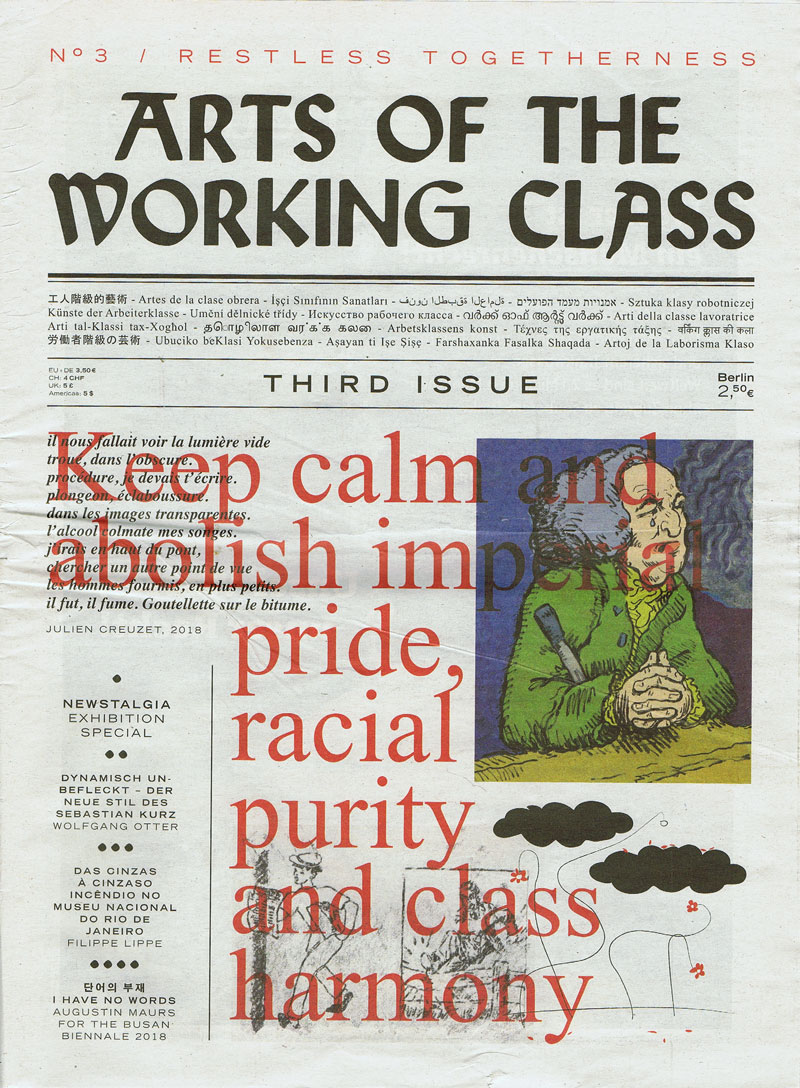
Arts of the Working Class No. 03 - Restless Togetherness
Technische
Angaben
-
48 S., 35x26 cm, Auflage: 10.000, 2 Stück. keine weiteren Angaben vorhanden
Zeitungsdruck, Blätter lose ineinander gelegt
ZusatzInfos
-
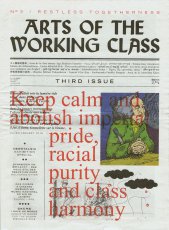
Keep calm and abolish imperial pride, racial purity and class harmony
Aus dem Booklyn-Archiv
This third issue of our newspaper is dedicated to this year’s overwhelming number of anniversaries and its abysms. With curiosity we notice their paradoxical relationship with the present. It’s been ten years since the financial crash, but monetary values are not more balanced and speculation bubbles are bigger than ever. It’s been 50 years since LSD came into popular use, opening the doors of perception, but perception seems to be even narrower today than it was back then. It’s been 80 years since Austria’s annexation to Germany, and yet ‚The Sound of Music‘ is still remembered as a classic, sweetened depiction of resistance towards fascism’s expansion in Europe, rather than the fall of aristocracy, what it really was. It’s been 100 years since the end of the First World War and yet the struggle between Conservatism and Socialism has never been so prevalent. It’s been 200 years since Marx was born, and his work still remains a historical ideal rather than a reality.
Text von er Webseite
|
Technische
Angaben
-
4 S., 21x14,9 cm, 2 Stück. keine weiteren Angaben vorhanden
Einladungsflyer, beiliegend ein beidseitig bedrucktes Informationsschreiben zur Ausstellung
ZusatzInfos
-
zur Ausstellung vom 21.05.-04.06.2016 im Neo Toum - Neoterismoi Toumazou, Nikosia, Zypern.
He was dancing steadily. He could see the backs of people’s heads moving in the darkness and was aware of the shifting spaces between their bodies. He did not register the music except as a sort of vibration. He felt as if he was dancing in perfect silence. He saw the already dim room growing ever darker around him. He became less conscious of his surroundings and more aware of himself. His introspection grew but his body was now moving automatically, softly cycling through a short loop of set motions. He noticed dust under his feet, and soon the realisation reached him that he was slowly wearing a shallow hole in the wooden floor. His body was locked in an efficient cycle. Before too long he was six inches below floor level, his head parallel with some of the shorter dancers. Yet he could not stop. Gradually he sank deeper into the ground until his face was level with people’s waists. No one noticed, below the eye level of the crowd, he was almost invisible. Presently his eyes came level with the soles of dancing shoes. He could see shards of coloured light flashing through a forest of legs casting jagged shapes across the floor. There were points where soft reflected light shone through looming figures like sunlight into a clearing. Eventually he was entirely submerged. He could look up through the hole and see foreshortened bodies moving above him oblivious to his plight. Still his feet moved, wearing away damp, pungent earth. The vibrations from the music lessened until the dull thump of the kick drum was all that he could feel. When it stopped he realised he too was still, and looking up he saw the sphere of light was gone.
Text von der Webseite
|
Technische
Angaben
-
304 S., 19,7x15 cm, keine weiteren Angaben vorhanden
Softcover, Fadenheftung
ZusatzInfos
-
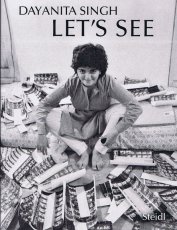
Let's See ist ein Fotoroman über Dayanita Singhs früheste Jahre als Fotografin, eine Rückkehr in eine Zeit, in der sie sich noch nicht als Fotografin betrachtete, die forschende Erinnerung an "ein Auge, zu dem ich keinen Zugang mehr habe". Singh hat kürzlich 40 Jahre ihres Archivs durchforstet - 80 % davon bleiben ungesehen -, Scans ihrer Kontaktbögen gesichtet und war erstaunt über die sanften und zärtlichen Bilder aus den 1980er und 90er Jahren, die sie inzwischen vergessen hatte: Mitbewohner, Freunde, mit denen sie zusammenlebte, Familie, Hochzeiten, Beerdigungen; Porträts von sich selbst und denjenigen, die zu wichtigen Figuren in ihrem Leben werden sollten.
Let’s See is a photo-novel of Dayanita Singh’s earliest years as a photographer, a return to a time when she did not yet consider herself a photographer, the probing remembrance of “an eye I no longer have access to.” Singh has recently poured through 40 years of her archive—80% of which remains unseen—exploring scans of her contact sheets and being amazed by the gentle and tender images from the 1980s and ’90s she had since forgotten—hostel roommates, friends with whom she lived, family, weddings, funerals; portraits of herself and those who would become important characters in her life.
Text von der Webseite
Übersetzt mit Deepl
|
Titel
-
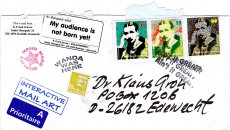
Briefumschlag - My audience is not born yet
Technische
Angaben
-
[2] S., 11,3x22,4 cm, keine weiteren Angaben vorhanden
Briefumschlag, mehrfach gestempelt und beklebt mit Künstlerbriefmarken und Künstlerstempeln
|
Titel
-
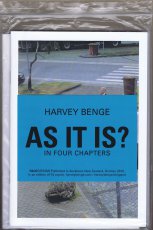
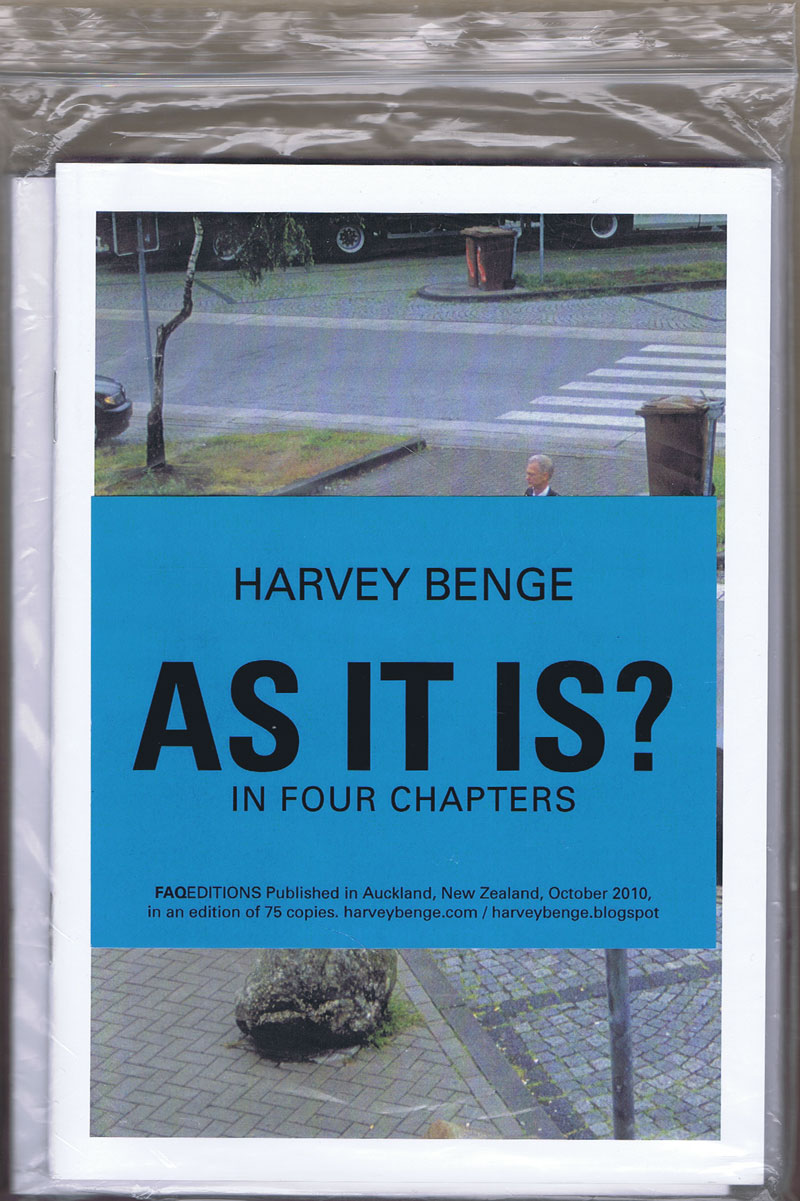
As it is? in four chapters
Technische
Angaben
-
[96] S., 23x16 cm, Auflage: 75, numeriert, signiert, keine weiteren Angaben vorhanden
vier Hefte, Drahtheftung, im Druckverschlussbeutel, darauf vorne und hinten Aufkleber, Farblaserdruck
ZusatzInfos
-
This work deals with the truism that WE DON'T SEE THE WORLD AS IT IS, BUT AS WE ARE, questioning perception and authorship.
The edition consists of four 24 page books: I DON'T KNOW WHAT IT MEANS YET, IS THIS WHAT IT IS?, THE FEAR OF NOT GETTING IT, SOME UNEXPECTED ANSWERS.
Text von der Webseite.
|
Technische
Angaben
-
[352] S., 30x16 cm, Auflage: 1.000, ISBN/ISSN 9782954197425
Broschur, in silberner Kunststoff Schutzhülle mit Aufkleber
ZusatzInfos
-
A reflection about the status of the image as a balance of forces in tension and a paradoxical act of cancellation of the body through its own representation. In Ion Grigorescu’s work, as in the book, the body is continually shown in different ways - from photography to film, from performance to drawing - and yet it remains absent, obscuring its own identity in an attempt to question the collective one. As it is impossible to show his art during the regime, it ends up hiding, disappearing inside the image. Instead of showing, the image conceals, because it is non-documentary and non-transmittable. it is an act of birth, a prove of the artist’s resistance, especially as a human being inside (or against) any geographical or historical background. In the rituals of his gestures and in the symbolism of his performances, Grigorescu finds a way to stay alive, preserving his own intellectual status while also defending the dignity of everyday life. The book traces the progression, both expansive and inclusive, of his work, which inscribes itself into the space of the body and of the world. Grigorescu absorbs elements of the surrounding reality, showing us a continuity between art and life: his act of dissidence is not an outcry of provocation, nor is it extreme. it is an anti-aesthetic operation which uses experimentation and rough techniques to uncover the fiction of art, to denounce the artifice of representation and to affirm images as an instrument of subversive power.
Text von der Webseite.
|
Technische
Angaben
-
[32] S., 19x13 cm, Auflage: 500, keine weiteren Angaben vorhanden
Drahtheftung, Offsetdruck
|
Titel
-
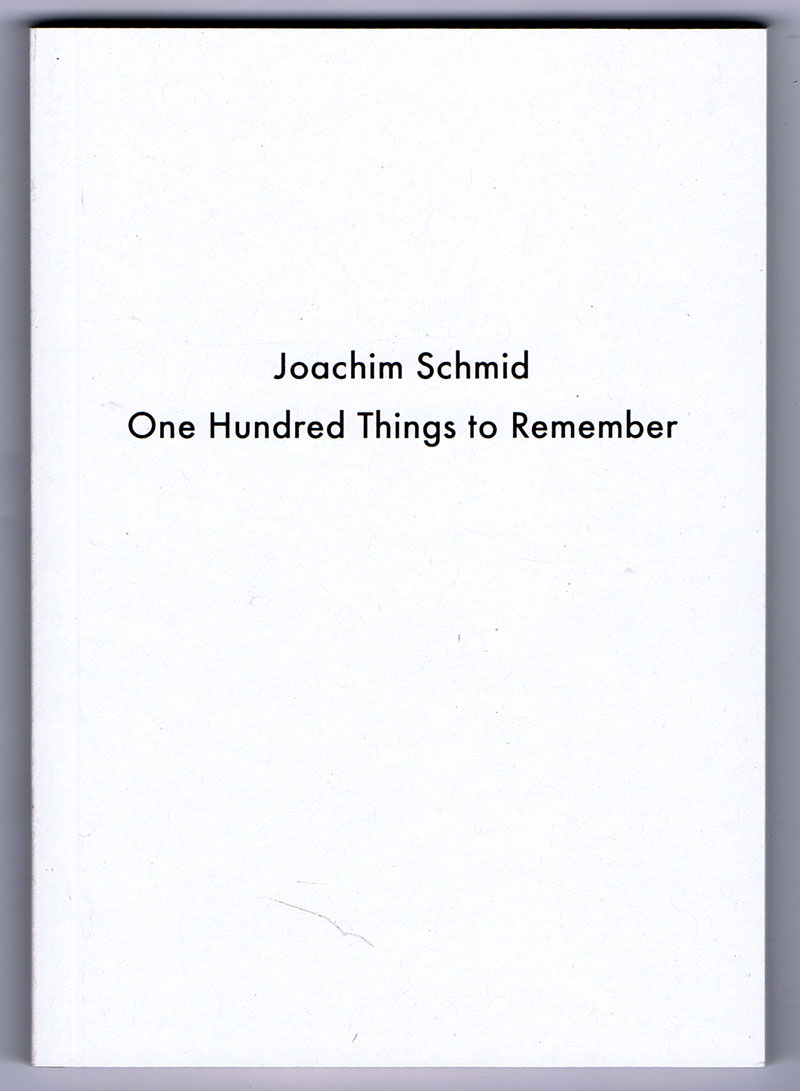
One Hundred Things to Remember
Technische
Angaben
-
108 S., 14,8x10,5 cm, Auflage: 100, keine weiteren Angaben vorhanden
Digitaldruck S/W, Softcover, Fadenheftung
ZusatzInfos
-
Reproduzierte Illustrationen aus dem Buch "A Key to Better Memory", New York 1959. "One Hundred Things to Remember is based on one book suggesting a visual approach to improving memory. Taken out of context and viewed from a distance of nearly seventy years, the combinations of simple words and drawings turn out to be an absurd selection of random signs, a form of unintentional poetry reminding us of a time when computers with virtually unlimited memory were not even a dream yet."
Text von der Webseite
|
Titel
-
TAM TAM RGB - Das Künstlerkollektiv aus dem Wald kommt wieder nach Regensburg
Technische
Angaben
-
14,7x5,2 cm, 2 Stück. keine weiteren Angaben vorhanden
Flyer zur Veranstaltung im W1- Zentrum für junge Kultur
ZusatzInfos
-
Mit dabei diesmal: not yet, Jim Avignon, Kruemell, Rumpeln, Mario Lukas, so-viele.de/SONDERN, Karambolage
Eröffnung am 24.10.2013
|
Titel
-
Programm September-Dezember 2013
Technische
Angaben
-
42 S., 15x15 cm, keine weiteren Angaben vorhanden
Drahtheftung
ZusatzInfos
-
u. a. mit TAM TAM meets Kitchen Stories, in der Fabrica de Pensula, 21.9.2013:
Kitchen Stories ist eine von der Künstlergruppe Mixer initiierte Veranstaltungsreihe, die von der Fabrica de Pensule gefördert wird. Im Zentrum steht das gemeinsame Kochen als Prozess und Kommunikationsmedium. In einer Spezialausgabe treffen die Kitchen Stories auf die Künstler der Gruppe TAM TAM, die mit einer interaktiven audio-visuellen Installation einen außergewöhnlichen Rahmen für die Kitchen Stories kreieren. Das Kochen wird verlegt, jenseits des eigentlich dafür angelegten Ortes. Geräusche, Bilder und Formen, die der Kochprozess erzeugt, werden in abstrakter Form in der Installation reflektiert. Die Zuschauer sind eingeladen, selbst mitzumachen, mit der Installation beim Kochen zu experimentieren, neue Klänge und Bilder zu schaffen und letztlich auch das kulinarische Endprodukt zu genießen.
TAM TAM und Mixer laden Sie auf eine Entdeckungsreise ein. Sehen Sie selbst, wie Nahrung unsere Bilder, Kochen den Klang und Essen die Seele beeinflusst.
|
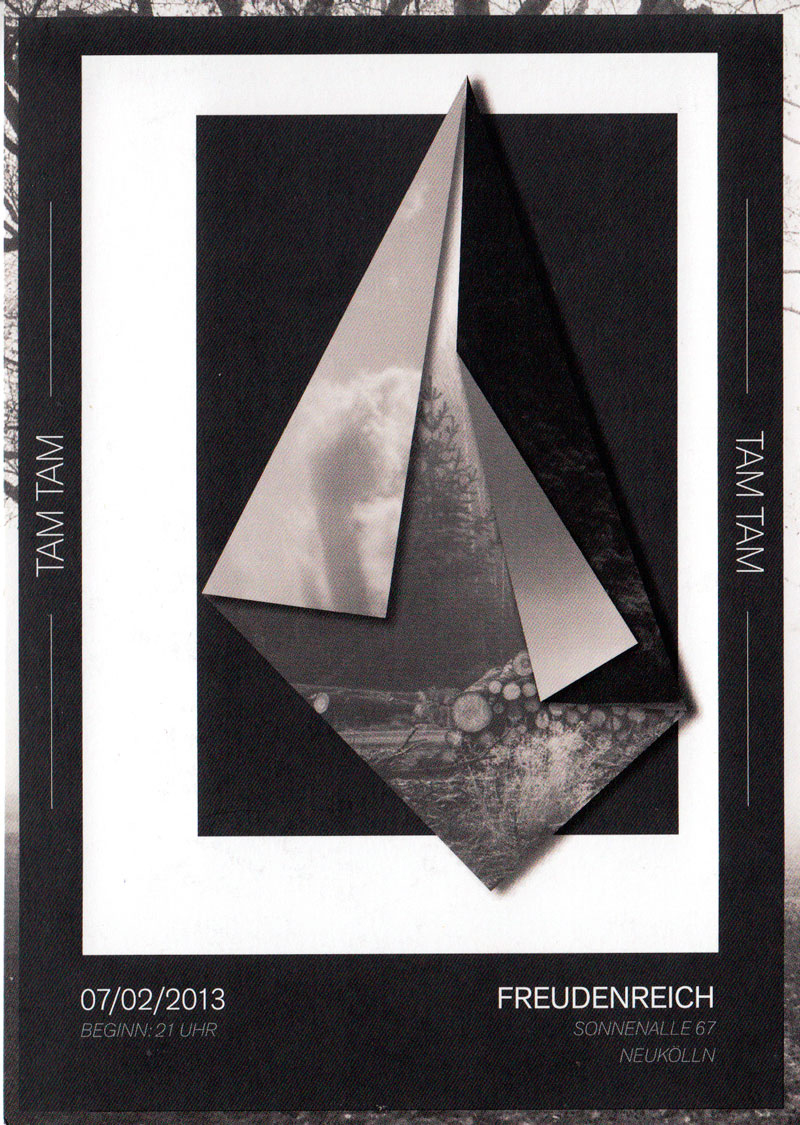
Technische
Angaben
-
14,7x10,4 cm, 2 Stück. keine weiteren Angaben vorhanden
Werbekarte zur Veranstaltung im Freudenreich Berlin am 7.2.2014
ZusatzInfos
-
mit Livemusik, DJs, VJs und Installationen
|
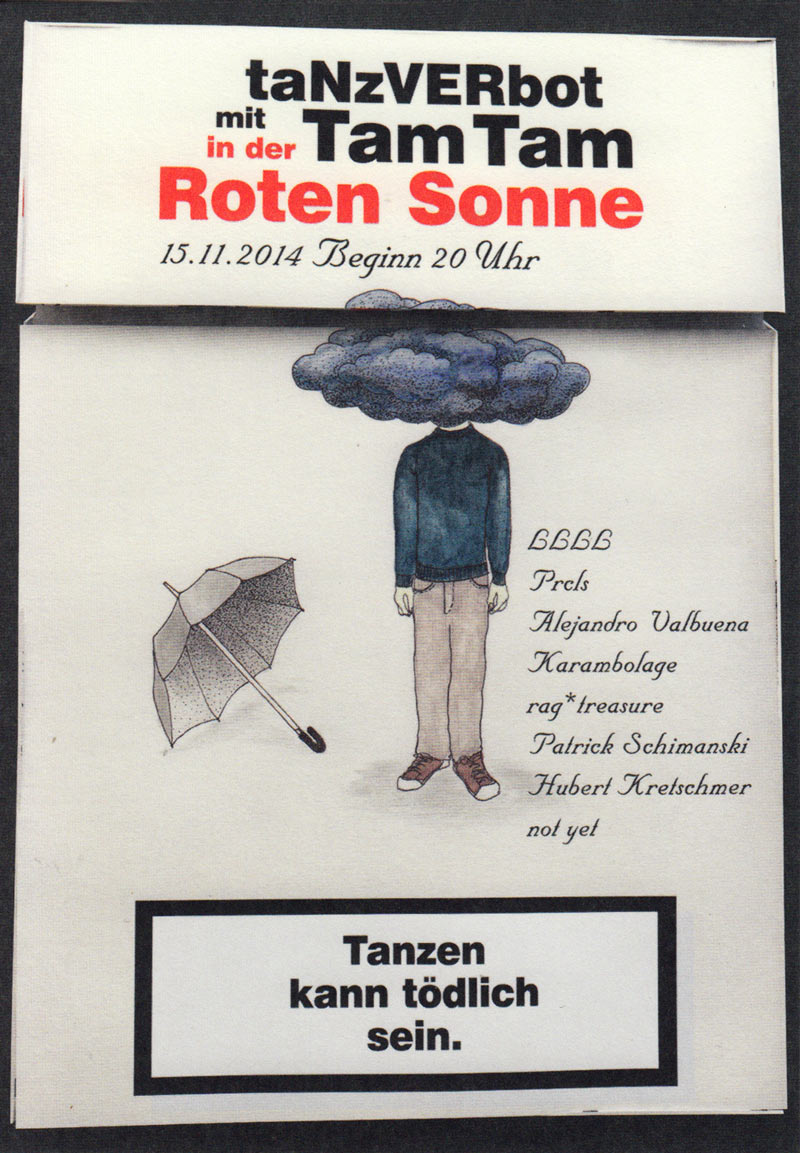
Titel
-
taNzVERbot mit Tam Tam in der Roten Sonne
Technische
Angaben
-
14,8x10,5 cm, 2 Stück. keine weiteren Angaben vorhanden
Postkarte zur Veranstaltung
ZusatzInfos
-
Künstler aus Wien, Leipzig, Spanien und natürlich München entführen uns an diesem Abend in eine Welt der Grenzüberschreitung.
Der Fluxuskompensator Prcls [prizls] (Wien) nimmt uns mit seiner verträumt-heftigen Bassmusik mit auf eine farbenfrohe Reise durch Raum und Zeit. Seine pittoresken Frickel-Beats schießen uns durchs Weltall und lehren uns das Fürchten vor dem Monster unter unserem Bett. Noch bevor wir unsere Regenbogenschorle mit dem Strohhalm laut ausschlürfen und uns fragen, wo wir sind, lockt uns das Leipziger Duo „LLLL“ mit dem Kuschelfaktor analoger Tonerzeugung in psychedelische Soundlandschaften. Technoid anmutende Passagen, extasischer Bombast, groovige Sequenzen, noisige Parts und eruptive Momente werden zelebriert und lassen uns ratlos wie rastlos zurück. Am Ende ist nichts mehr so, wie es einmal sein wird. „Jeder hat sein eigenes Gewitter, durch das er muss. Geh mit dem Kopf durch die Wand, denn du weißt nie wie lange diese Wand noch steht oder noch besser, weine nicht wenn der Regen fällt, TAM TAM!“ Alejandor Valbuena hat dieses Motto illustriert und zeigt weitere Werke an diesem Abend. Die Klanginstallation „fragments in joint fluid“ von Patrick Schimanski integriert die klingenden Sitzmöbel von not yet als Live-Instrument und schmiert unsere Gelenke. Geschmeidig nimmt das Modelabel rag*treasure darauf Platz und feiert mit Euch seinen 10-jährigen Geburtstag: „Fixing A Hole Where The Rain Gets In – 10 Jahre an der Nadel“. Hubert Kretschmer zieht euch die Schuhe an!
|
Titel
-
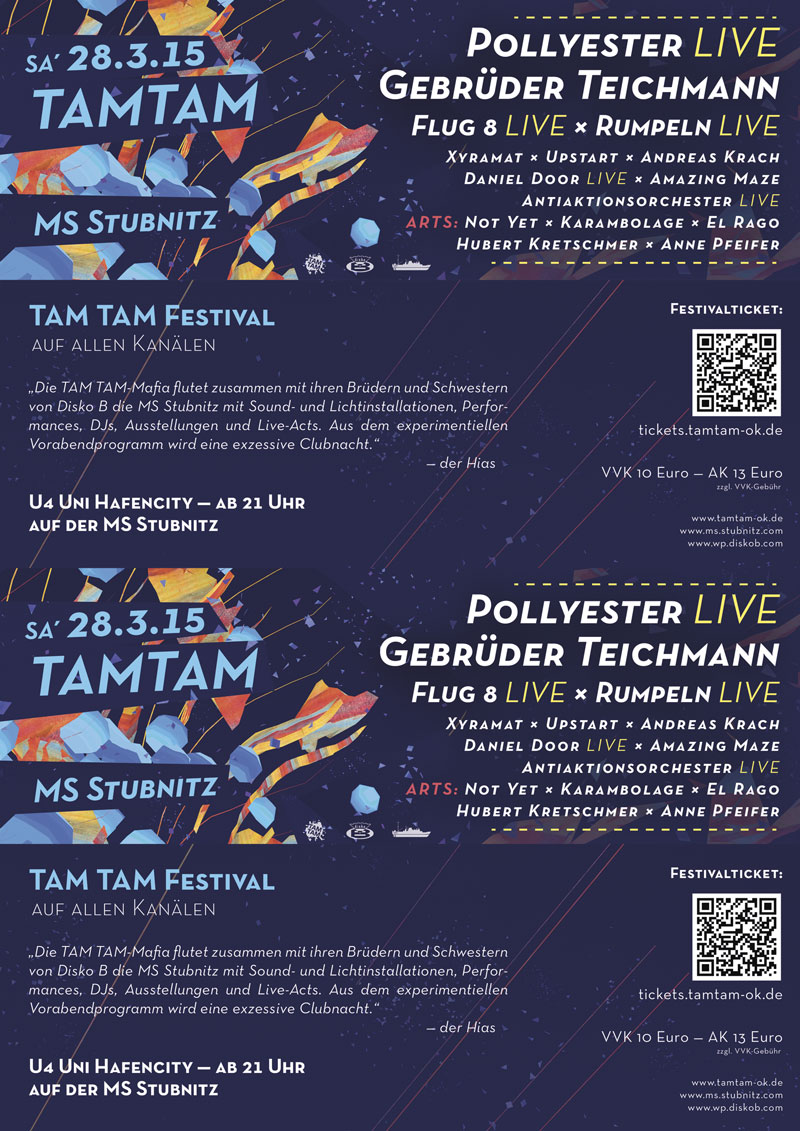
TAM TAM MS Stubnitz - Festival auf allen Kanälen
Technische
Angaben
-
42,1x29,6 cm, keine weiteren Angaben vorhanden
Farblaserkopie
ZusatzInfos
-
Plakat zum Festival auf der MS Stubnitz in Hamburg U4 Uni Hafencity am 28.03.2015. Plakat Johannes Bartenschlager
|
Titel
-
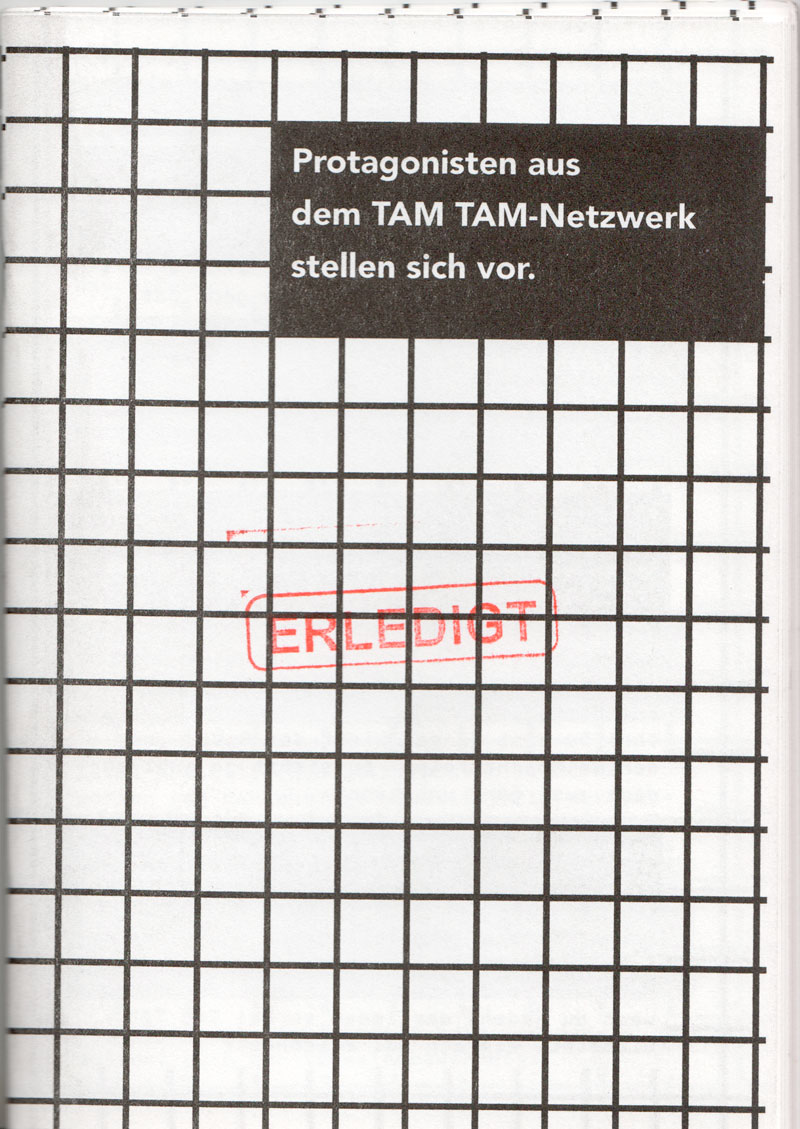
Protagonisten aus dem TAM TAM-Netzwerk stellen sich vor.
Technische
Angaben
-
32 S., 21x15 cm, Auflage: 100, numeriert, 2 Stück. ISBN/ISSN 9783928804295
Drahtheftung, 2 Stempeldrucke, original Briefmarke, teilweise handcoloriert, Risographie mit Risograph GR3770 auf Munken Print White 1.8
ZusatzInfos
-
Illustrationen und Porträtzeichnungen der Künstler von Ruben Verstaen, Titelgestaltung von Annette Granados.
Gedruckt in München im Irrland
Erschienen anläßlich des TAM TAM-Tages-und Abendseminars im Import Export in Kreativ-Quartier Dachauerstr. 114, München
|
Technische
Angaben
-
33x45 cm, 49 Teile. keine weiteren Angaben vorhanden
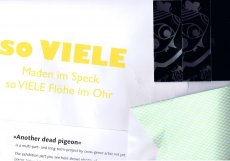
diverse Papiere, gelber Inkjetdruck, Zeichnungen und Texte mit gelben Marker, blaue LED-Minitaschenlampe, gelb colorierte Originalzeichnung
ZusatzInfos
-
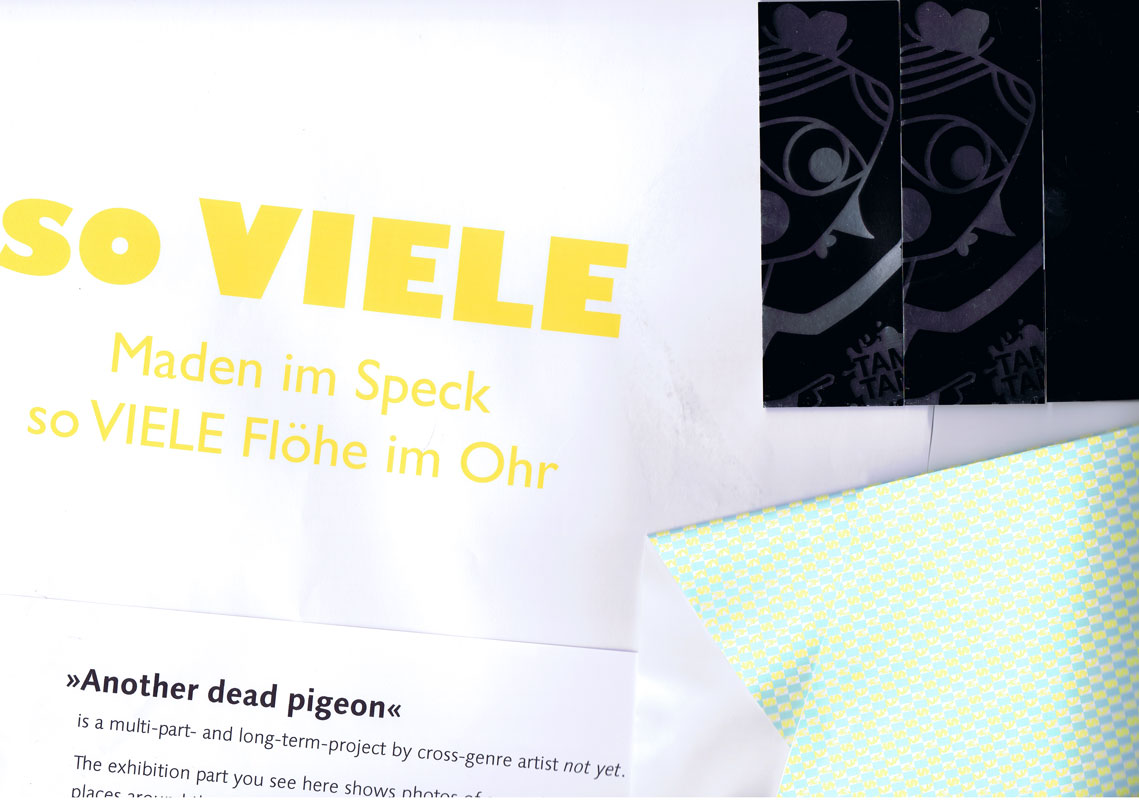
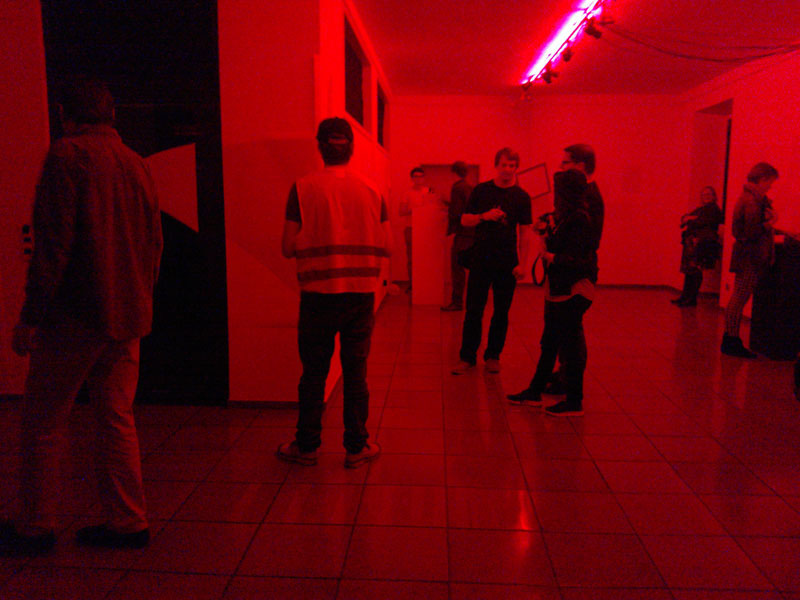
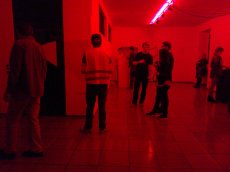
Das Künstlerkollektiv aus dem Wald kommt wieder nach Regensburg. 24.10.-06.12.2013 im W1- Zentrum für junge Kultur, mit so vielen Tier-Sprüchen in Gelb im gelben Raum. Schwarzlichtbeleuchtung. die gelben Drucke und Zeichnungen konnten die Besucher mit einer blauen Taschenlampe sichtbar machen. Soundinstalltion und Textinstallationen, so-VIELE Tiere.
Text und Bildinstallation Another dead pigeon.
Die Besucher der Ausstellung "TAM TAM in RGB" konnte mit speziellen Taschenlampen die ausgestllten Bilder erkunden, mit einem Stift selbst mitgestalten und durch Schütteln der Rahmen Aktionen steuern. Auf diese Weise konnte die dung dung-Maschine von RUMPELN, der Klopapierdrucker von Mario Lukas und der Raum der Putzfrau aktiviert werden. Uwe Hering, vom Amt für kommunale Jugendarbeit schlüpfte bei der Ausstellung von TAM TAM im W1 in die Rolle des Bürgermeisters und eröffnete die Ausstellung mit einem Scherenschnitt.
Text von der TAM TAM Webseite
|